Moments That Changed the World
Explore the pivotal events across all of human history.

The Birth of Writing — Cuneiform
In Mesopotamia, the Sumerians developed the world's first writing system — cuneiform — transforming record-keeping, law, and literature forever.
Historical Significance
Foundation of all human communication and recorded history.
In Mesopotamia, the Sumerians developed the world's first writing system — cuneiform — transforming record-keeping, law, and literature forever.

Construction of the Great Pyramids
Under Pharaoh Khufu, tens of thousands of workers erected the Great Pyramid of Giza — a mathematical and engineering marvel that still stands today.
Historical Significance
Symbol of ancient Egypt's power, organization, and vision.
Under Pharaoh Khufu, tens of thousands of workers erected the Great Pyramid of Giza — a mathematical and engineering marvel that still stands today.

The Birth of Democracy in Athens
Cleisthenes reformed Athenian government to give citizens direct power — creating the world's first democracy and permanently reshaping political thought.
Historical Significance
Foundation of modern democratic governance worldwide.
Cleisthenes reformed Athenian government to give citizens direct power — creating the world's first democracy and permanently reshaping political thought.

The Fall of the Roman Empire
The deposition of the last Roman Emperor Romulus Augustulus marked the end of ancient Rome and the beginning of the Middle Ages in Western Europe.
Historical Significance
Reshaping of European civilization for the next millennium.
The deposition of the last Roman Emperor Romulus Augustulus marked the end of ancient Rome and the beginning of the Middle Ages in Western Europe.

The Islamic Golden Age
For 500 years, Baghdad and other Islamic cities became centers of science, philosophy, mathematics, and medicine — preserving and advancing human knowledge.
Historical Significance
Transmission and expansion of classical knowledge to the modern world.
For 500 years, Baghdad and other Islamic cities became centers of science, philosophy, mathematics, and medicine — preserving and advancing human knowledge.
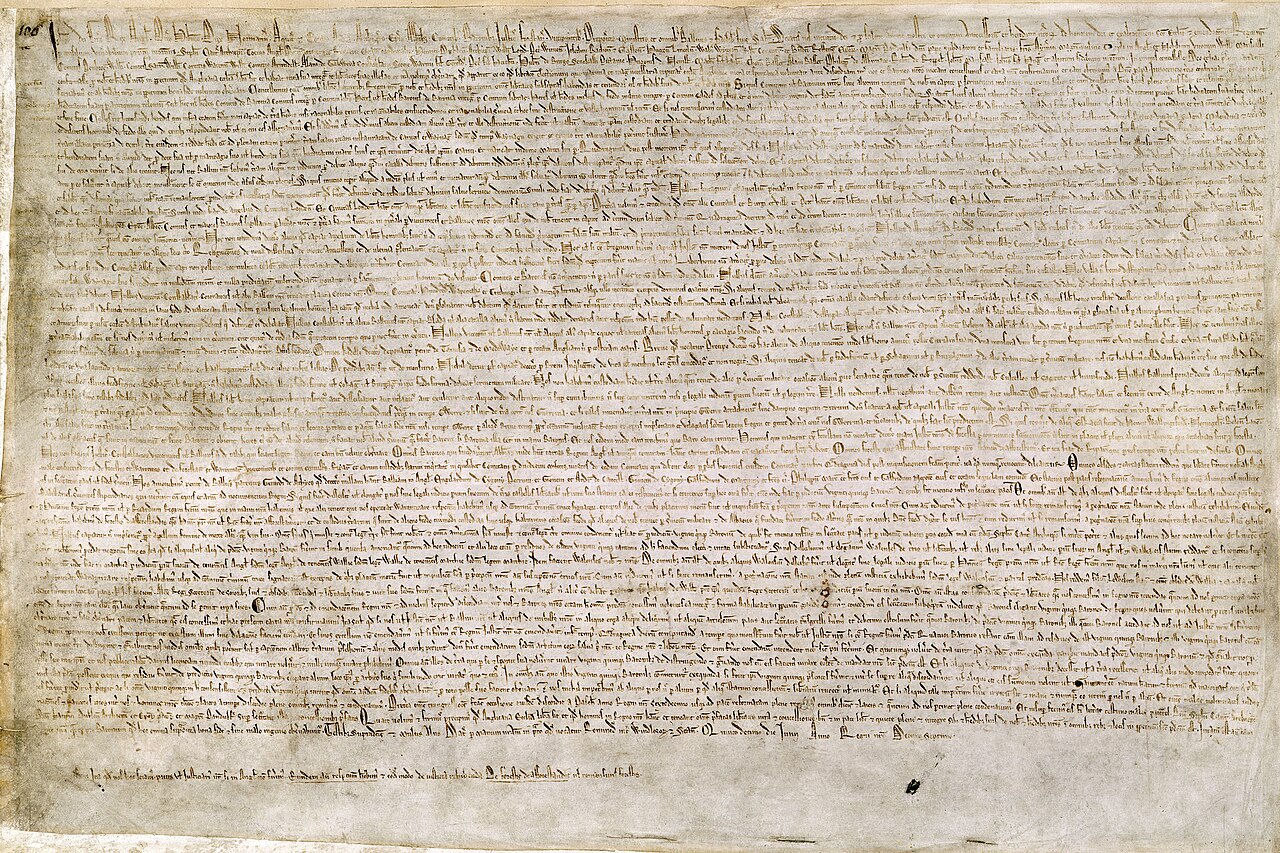
The Magna Carta
King John of England signed this landmark charter at Runnymede, establishing for the first time that the king was subject to the rule of law.
Historical Significance
Birth of constitutional governance and rule of law.
King John of England signed this landmark charter at Runnymede, establishing for the first time that the king was subject to the rule of law.

The Renaissance
Beginning in Florence, a cultural and intellectual rebirth swept Europe — transforming art, architecture, science, and philosophy through figures like da Vinci and Michelangelo.
Historical Significance
The bridge between medieval thinking and the modern world.
Beginning in Florence, a cultural and intellectual rebirth swept Europe — transforming art, architecture, science, and philosophy through figures like da Vinci and Michelangelo.

Columbus Reaches the Americas
Christopher Columbus's 1492 voyage connected two worlds that had been separated for 12,000 years, initiating an era of exploration — and devastating colonization.
Historical Significance
Transformation of global demographics, trade, and history.
Christopher Columbus's 1492 voyage connected two worlds that had been separated for 12,000 years, initiating an era of exploration — and devastating colonization.
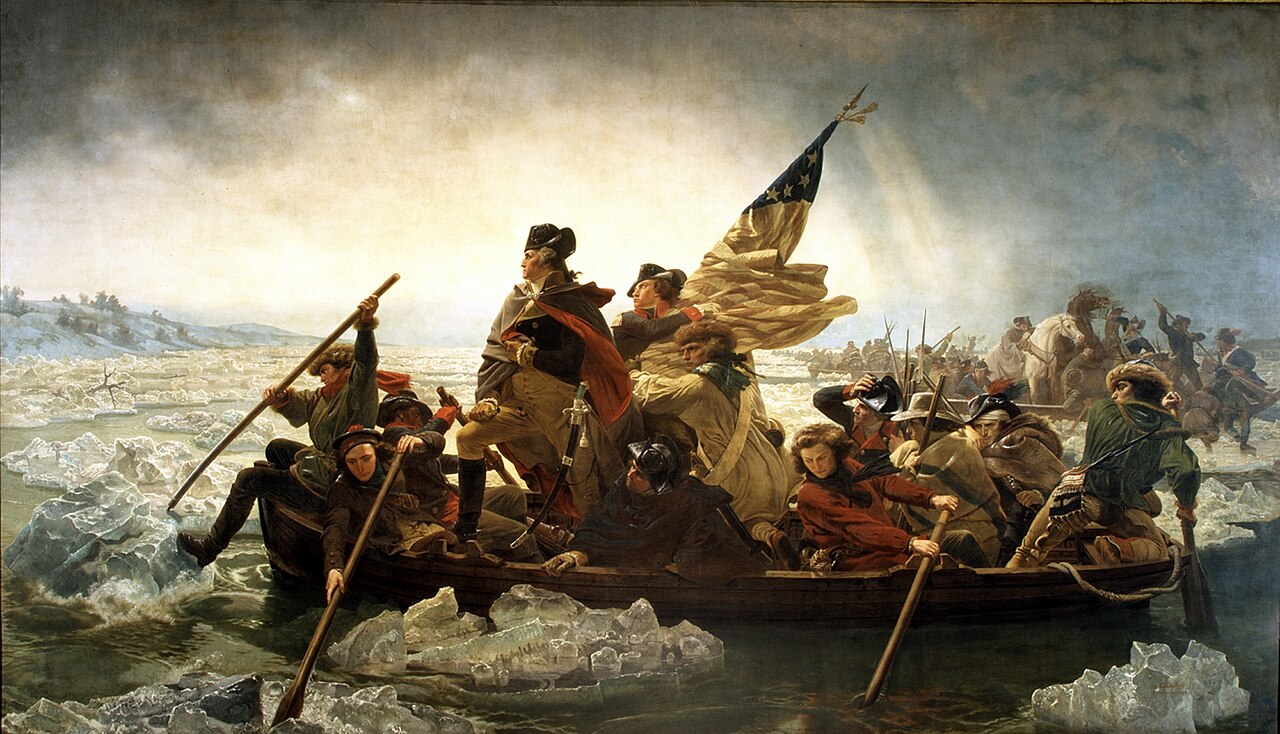
The American Revolution
Thirteen colonies declared independence from Britain and forged the United States, establishing ideals of liberty and self-governance that inspired revolutions worldwide.
Historical Significance
Model for democratic revolutions around the globe.
Thirteen colonies declared independence from Britain and forged the United States, establishing ideals of liberty and self-governance that inspired revolutions worldwide.

The French Revolution
France's radical political and social transformation dismantled the monarchy and nobility, establishing new ideas about citizenship, rights, and national identity.
Historical Significance
Spread of revolutionary democratic ideas across Europe and the world.
France's radical political and social transformation dismantled the monarchy and nobility, establishing new ideas about citizenship, rights, and national identity.

The Industrial Revolution
Steam power, factories, and mechanized production transformed Britain — then the world — creating modern economies, cities, and labor movements.
Historical Significance
Created the economic and technological foundations of modern society.
Steam power, factories, and mechanized production transformed Britain — then the world — creating modern economies, cities, and labor movements.
World War I
The Great War engulfed the globe in unprecedented conflict, claiming 20 million lives, toppling four empires, and planting the seeds for an even greater conflict.
Historical Significance
Reshaped the political map of the world and introduced modern warfare.
The Great War engulfed the globe in unprecedented conflict, claiming 20 million lives, toppling four empires, and planting the seeds for an even greater conflict.

World War II & The Holocaust
The deadliest conflict in history — 70–85 million deaths, the Holocaust, and the eventual Allied victory — defined the 20th century and birthed the United Nations.
Historical Significance
Established the modern international order and human rights framework.
The deadliest conflict in history — 70–85 million deaths, the Holocaust, and the eventual Allied victory — defined the 20th century and birthed the United Nations.

The Moon Landing
Apollo 11 astronauts Neil Armstrong and Buzz Aldrin became the first humans to walk on the Moon, fulfilling a decade-long national commitment and inspiring a generation.
Historical Significance
The greatest achievement of human exploration and scientific ambition.
Apollo 11 astronauts Neil Armstrong and Buzz Aldrin became the first humans to walk on the Moon, fulfilling a decade-long national commitment and inspiring a generation.